
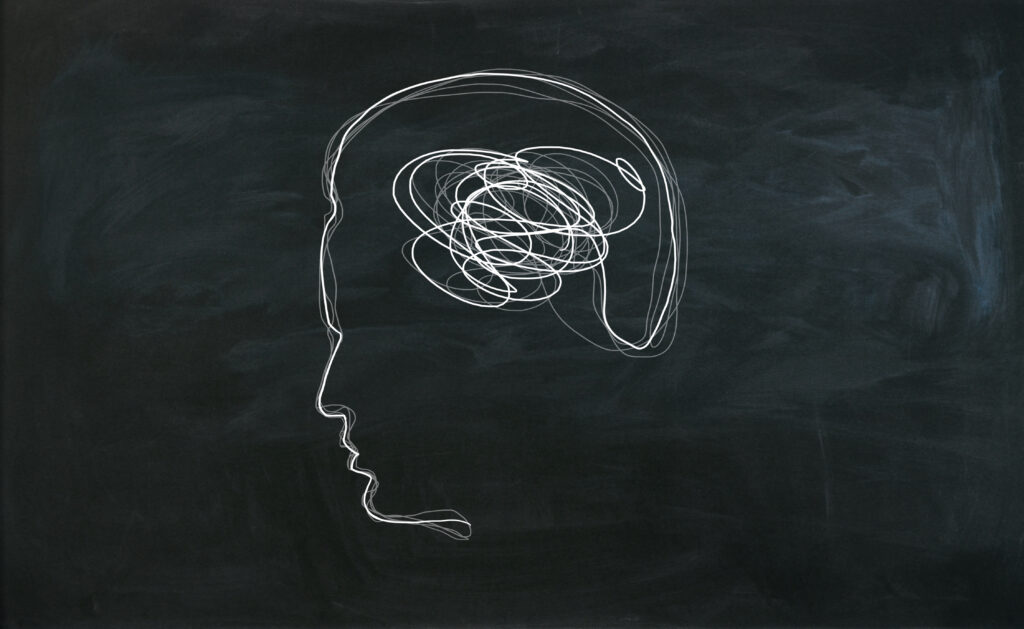
Trauma is not just something that happened in the past—it is something the mind and body continue to experience in the present. Whether rooted in a single overwhelming event or repeated relational harm, trauma can shape how we think, feel, connect with ourselves and other people, and even how our nervous system functions day to day. Therapy offers a structured, compassionate pathway to healing, helping individuals move from surving through to thriving into a fuller, more integrated life.
A widely respected framework for trauma therapy involves three core phases: stabilisation, processing, and integration. Alongside this, one of the most powerful healing factors is the therapeutic relationship itself, especially for those whose trauma occurred in relationships. Understanding the brain and body’s role in trauma can also provide grounding and clarity during this process. We call this psychoeducation.
Understanding Trauma in the Brain and Body
Before exploring the phases of therapy, it helps to understand what trauma does internally.
When we experience something overwhelming, the brain’s threat system—primarily the amygdala—activates rapidly. This triggers the fight, flight, freeze, or fawn response, preparing the body for survival. At the same time, the prefrontal cortex (responsible for reasoning and decision-making) becomes less active, and the hippocampus (which helps organise memories in time) may struggle to properly process the event. Language is also affected.
This is why traumatic memories can feel:
- Vivid and immediate, as if happening now
- Disconnected or fragmented
- Linked to intense body sensations
The body also stores trauma. The autonomic nervous system can become dysregulated, leading to chronic states of:
- Hyperarousal (anxiety, panic, irritability)
- Hypoarousal (numbness, shutdown, dissociation)
Therapy works not just by “talking about the past,” although in some cases, talking is not necessary, but by helping regulate these systems and create new patterns of safety.
Phase 1: Stabilisation — Creating Safety and Resources
The first phase of trauma therapy focuses on building a foundation of safety—both internally, externally and also with the therapist.
This phase is essential. Without stabilisation, diving into traumatic memories can feel overwhelming, even retraumatizing and is not recommended.
Key Goals of Stabilisation:
- Developing emotional regulation skills
- Learning grounding techniques
- Building awareness of triggers
- Establishing routines and support systems
- Strengthening a sense of safety in the body
Clients might learn techniques such as:
- Controlled breathing
- Sensory grounding (e.g., noticing sights, sounds, textures)
- Identifying early signs of distress
- Creating internal “safe spaces”
- Learning to reframe thoughts
- Self-compassion building
From a brain perspective, stabilisation helps strengthen the prefrontal cortex’s ability to regulate the amygdala, allowing individuals to respond rather than react.
This phase also begins the process of reconnecting with the body in a safe, gradual way.
Carolyn Spring puts it beautifully – we go surfing. The therapist is highly capable of bringing you back to shore (grounding) when you fall into the waves (trauma, emotions). But we have to go surfing and fall off in order to learn how to come back to the safety of the shor ourselves.
Phase 2: Processing — Making Sense of the Trauma
Once sufficient stability is established, therapy can move into processing the traumatic experiences.
Processing does not mean reliving trauma in a raw or uncontrolled way. Instead, it involves safely revisiting and reworking memories so they become less overwhelming and more integrated.
What Processing Looks Like:
- Telling the story of what happened (at a manageable pace)
- Identifying emotions, beliefs, and meanings attached to the trauma
- Working through unresolved fear, shame, or grief
- Updating old beliefs (e.g., “I’m not safe” → “I survived and have choices now”)
- Building an internal safe adult part that can help the younger child parts within
Different therapeutic approaches may be used, including:
- Trauma-focused cognitive therapies
- Somatic (body-based) approaches
- Eye Movement Desensitisation and Reprocessing (EMDR)
- Narrative therapy
Neurologically, this phase helps the hippocampus reprocess and organise memories, placing them in the past rather than experiencing them as ongoing threats. Files are put away in the right chronological order.
The intensity of emotional and physical responses gradually decreases as the brain learns: this is over.
Phase 3: Integration — Rebuilding and Moving Forward
Integration is about weaving the trauma into one’s life story without it defining everything.
At this stage, individuals often begin to feel:
- Greater emotional flexibility
- Increased self-understanding
- A stronger sense of identity
- Renewed capacity for connection and meaning
Focus of Integration:
- Reconnecting with values and goals
- Strengthening relationships or building new healthier ones
- Developing a cohesive sense of self
- Building a future not centred around trauma
The nervous system becomes more regulated, allowing for a broader “window of tolerance”—the ability to experience a range of emotions without becoming overwhelmed or shut down.
Integration is not about forgetting the trauma. It is about remembering without reliving.
The Healing Power of the Therapeutic Relationship
For many people, trauma occurs in relationships—through neglect, betrayal, abuse, or inconsistency. This can deeply affect how safe it feels to trust others.
Therapy offers something profoundly corrective: a safe, consistent, and attuned relationship.
Why the Therapeutic Relationship Matters:
- Consistency builds safety: Regular sessions and predictable responses help calm the nervous system
- Attunement repairs connection: Being seen, heard, and understood helps reshape expectations of others
- Boundaries create trust: Clear, respectful limits model healthy relationships
- Emotional presence heals shame: Having difficult experiences met with compassion reduces isolation
From a neurobiological perspective, safe relationships help regulate the nervous system through co-regulation. Over time, this can reshape neural pathways associated with attachment and safety.
This is especially important for relational trauma, where the wound is not just the event itself, but the absence of safety within connection. The therapist becomes a secure base from which healing can unfold.
Trauma Healing as a Whole-Body Process
Healing from trauma is not linear. It involves moving between phases, revisiting skills, and adjusting the pace as needed.
Importantly, trauma therapy works on multiple levels:
- Cognitive: understanding and reframing experiences
- Emotional: processing feelings safely
- Physical: regulating the nervous system
- Relational: rebuilding trust and connection
By addressing all of these areas, therapy helps individuals shift from a state of survival to one of presence and possibility.
Final Thoughts
Trauma can leave people feeling stuck, disconnected, or defined by what happened to them. Therapy offers a structured, evidence-based path toward healing—one that respects both the mind and body.
Throughstabilisation, individuals learn safety.
Through processing, they make sense of their experiences.
Through integration, they reclaim their lives.
And through a trusting therapeutic relationship, they experience something many trauma survivors have lacked: a safe connection where healing becomes possible.
Over time, the brain and body learn a new message—not just “I survived,” but “I can live.”