
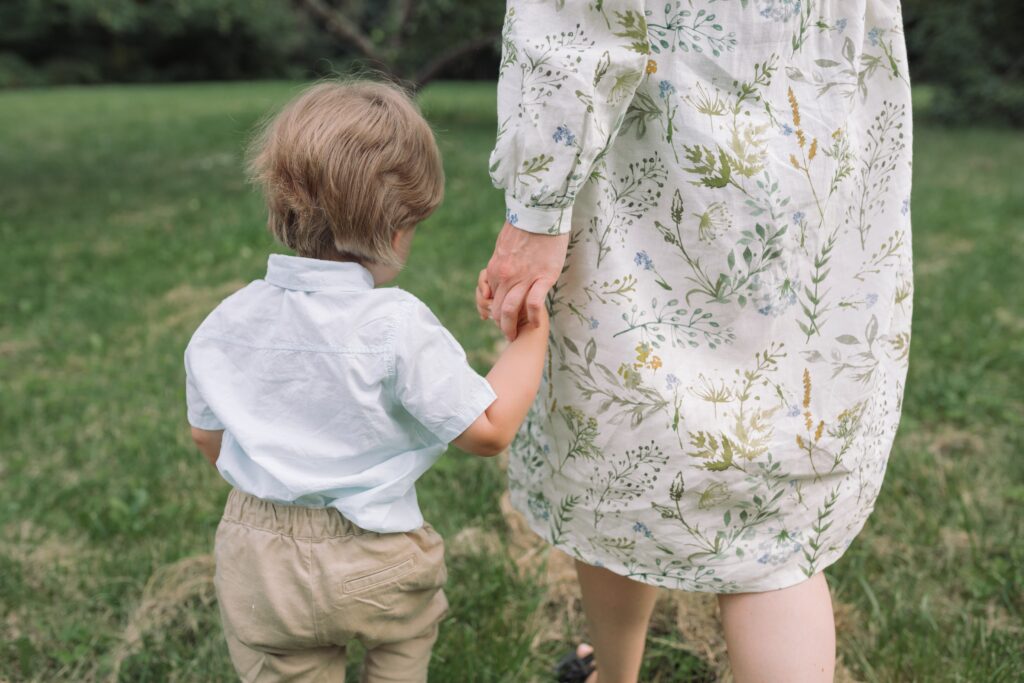
Attachment is the emotional blueprint that shapes how we connect, love, and respond to intimacy inside relationships and which is unconsciously repeated throughout our lives. Formed early in life in response to caregiving experiences, it influences everything from how we handle conflict to how safe we feel in relationships, to how we regulate our emotions, manage endings, grieve and even how we parent. While these patterns can feel deeply ingrained, they are not fixed. With awareness and the right experiences, attachment can evolve toward greater attachment security, self-esteem and relationship satisfaction.
Attachment Styles and Their Origins
Attachment theory, originally developed by John Bowlby and expanded by Mary Ainsworth, proposes that our early relationships, especially with primary caregivers, shape our expectations of both others and ourselves. There are four main attachment styles and these styles shed light on how we navigate our closest relationships:
Secure Attachment
Develops when caregivers are consistently responsive and emotionally available. Individuals feel comfortable with closeness and independence, and they trust that others will be there when needed. They are happy exploring the world in the knowledge that if they call for help, it will be there.
Ambivalent/Preoccupied Attachment
Forms when caregiving is inconsistent—sometimes attentive, sometimes unavailable. This unpredictability can lead to heightened sensitivity to rejection, fear of abandonment, and a strong need for reassurance. Individuals tend to be clingy to stop abandonment, however, partners retreat, which inflames their abandonment wound and causes the very thing that they do not want to happen. They often believe they are not good enough and do not trust someone will be there for them.
Dismissive Avoidant Attachment
Emerges when caregivers are emotionally distant or dismissive. Caregivers may provide practically for the child, but are not emotionally there. Children experience shame and learn to suppress their needs and emotions. They become self-reliant, realising no one is there, often carrying into adulthood a discomfort with closeness and vulnerability and a hidden sense of being defective.
Disorganised/Fearful Avoidant Attachment
Results from caregiving that is frightening, chaotic, or abusive or where the child has been the parent to the parent. The caregiver is both a source of comfort and fear to the child, leading to conflicting behaviours and difficulty regulating emotions in relationships. There is a hopelessness to this style, they do not feel safe and do not believe others are safe either. Whereas the other two styles have some organisation to acquiring their relational needs, the disorganised attachment does not – sometimes displaying avoidant characteristics and sometimes preoccupied. Their core wound is betrayal. They want to be deeply known and seen and are often paired with dismissing avoidant individuals, which is incredibly painful.
Attachment styles are not things that show what is wrong with us, rather they are adaptive responses. They reflect how a child learned to survive and make sense of their emotional environment. As humans we unconsciously tend to pick partners who reflect our childhood wounding in the hope that our young child parts will be finally healed. However, in this case, our early childhood history only gets repeated. Earning our own attachment security gives us a greater chance in self and relationship fulfilment.
The Role of the Secure Mother (or Primary Caregiver)
A ‘secure mother’ doesn’t mean a perfect parent. It refers to a caregiver who is good enough—consistently attuned and responsive in ways that support the child’s development. Research shows that even secure mothers do not quite hit the mark. Actually, hitting the mark only occurs 30% of the time. However, what secure mothers do well is that they repair – they notice the mismatch/mis-attunement and they respond and reconnect with the child. The child learns that relationships can go wrong, but can also be fixed.
Several key processes contribute to secure attachment and include:
- Scaffolding – This involves supporting a child just enough to help them accomplish tasks slightly beyond their current ability. Over time, support is gradually withdrawn as the child gains competence. This builds self-confidence and a sense of mastery. The mother doesn’t do it all for them, also doesn’t expect the child to respond to a level higher than their actual developmental age. They get the sweet spot!
- Co-Regulation – Because secure mothers lack experiences of childhood trauma, they are able to stay calm and present and guide their child back to a settled state. Young children do not have the ability to self-regulate so rely on the many repetitions of co-regulation from their caregiver to gain this skill themselves.
- Mirroring – The caregiver reflects the child’s emotional state back to them—through facial expressions, tone, and words. For example, acknowledging a child’s frustration helps them feel seen and understood, which is crucial for emotional development. This also enables the child to recognise and name their own emotions, that their emotions aren’t dangerous – they are not abandoned or rejected – and they begin connecting their body sensations to their thinking brain. Mirroring is also a form of communication, if my baby points to something and then I point to it too, they feel mastery in being able to communicate to me.
- Contingent Responding – Responses are timely, appropriate and match the same topic to the child’s signals. When a caregiver reliably responds to distress or need, the child learns that their emotions matter and that help is available.
- Sensitivity – The caregiver’s ability to accurately perceive and interpret the child’s needs and respond appropriately. It requires emotional attunement rather than rigid rules.
- Match to Need – Not all distress requires the same response. A secure caregiver adapts—sometimes offering comfort, sometimes encouraging independence—based on what the child truly needs in that moment. They are able to identify the need in the child and meet it. Young children do not have the brain development to use language and recognise their needs, they often use behaviour and secure mothers work to understand the need behind the behaviour/signal.
- Developmental Fit – As the child grows, the caregiver adjusts expectations and support accordingly. What a toddler needs differs from what a teenager needs. For instance you wouldn’t expect a baby to read a book and you wouldn’t expect a teenager to not be able to self feed. This flexibility fosters both security and autonomy.
Together, these elements create a relational environment where the child internalises a powerful message: I am safe, I am understood, I am enough and I can rely on others.
Can Attachment Styles Change?
Absolutely! attachment insecurity is not destiny. So, change happens through:
Awareness
Recognising your attachment style is the first step and why you adapted in this way as a child – the ‘what happened’. Notice (with self-compassion) patterns in how you respond to closeness, conflict, and emotional needs.
Corrective Emotional Experiences
Relationships—romantic, platonic, or therapeutic—can provide new experiences that challenge old expectations. For example, consistently experiencing reliability can soften anxious patterns, someone being empathic and good at mirroring helps you to understand your own emotions.
Emotional Regulation Skills
Learning to manage intense emotions. Self-regulation helps reduce reactive behaviours tied to insecure attachment. This skill also takes us from our back survival brain to our front rational thinking brain, so you begin to change your neural pathways and brain structure.
Reflective Capacity
Developing the ability to think about your own thoughts and feelings (and those of others) allows you to respond more flexibly rather than automatically. This can also be called mentalisation. We cannot mentalise if we are in our survival brain, this practice needs a regulated pre-frontal cortex (front brain).
Earning Attachment Security
“Earned secure attachment” refers to individuals who may not have had secure early relationships but develop security later in life. Here’s how that process often unfolds:
- Building Safe Relationships – Seek out relationships where communication is open, the relationship is balanced (so equal amounts of give and take), boundaries are respected, and emotional needs are acknowledged. Security grows in consistent, safe connection.
- Therapy or Guided Support – Working with a therapist through individual counselling or couples therapy can help process early experiences, identify patterns, and practice new ways of relating in a safe environment.
- Reparenting Yourself – This involves offering yourself the care you may not have received—validating your emotions, setting boundaries, and meeting your own needs with compassion.
- Practising Vulnerability Gradually – Security develops by taking small risks—sharing feelings, asking for support, and tolerating the discomfort that may come with it.
- Consistency Over Perfection – Security is built through repeated, reliable experiences—not flawless ones. Progress may feel slow, but it is cumulative.
Final Thoughts
Attachment styles are not flaws, we are not broken—they are adaptations. They reflect how we learned to navigate connection based on what was available to us. But what was learned can be relearned. By understanding the origins of attachment, recognising the role of responsive caregiving, and engaging in intentional growth, it is possible to move toward greater emotional security. In doing so, relationships become less about fear and protection—and more about trust, connection, and mutual support.